St. Louis Cemetery No. 1
3.9FreeDiscover New Orleans' famous historic cemetery with iconic above ground tombs.
Established in 1789, St. Louis Cemetery No. 1 is New Orleans' oldest surviving city-owned burial ground and is listed on the National Register of Historic Places. The cemetery features iconic above-ground vaults and is the final resting place of notable historical figures, including Voodoo Priestess Marie Laveau and civil rights pioneer Homer Plessy. To protect its historic tombs, access is permitted only through official guided tours.
History
Established in 1789, Saint Louis Cemetery No. 1 reflects the city's early colonial history and the unique burial practices of New Orleans. It has been a focal point for local traditions and culture, particularly voodoo practices.
Expert notes
- Take a guided tour to fully appreciate the history and significance.
- Wear comfortable shoes as you will be walking on uneven surfaces.
- Bring water, especially in the warmer months.
- Respect the privacy of the deceased and their families.
- Check the cemetery's visiting hours before planning your trip.
- Avoid visiting after dark as the cemetery closes at sunset.
- Photography is allowed, but be respectful of the resting places.
- Be cautious of your surroundings and stay on marked paths.
- Consider visiting during the week to avoid weekend crowds.
- Learn about the voodoo traditions associated with the cemetery.
More things to do in New Orleans
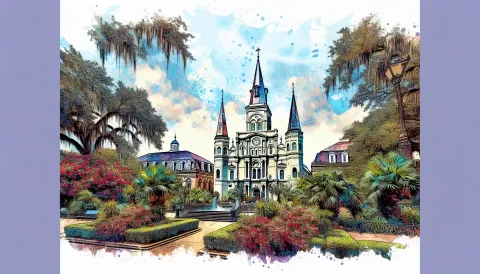 St. Louis CathedralFree
Historic triple-spired cathedral overlooking Jackson Square in the French Quarter
 The Carousel Bar & Lounge$$$
Experience iconic cocktails aboard New Orleans' legendary rotating circular bar.
 Mardi Gras World$$
Discover how iconic New Orleans Mardi Gras floats come to life
 Saenger Theatre$$
Historic atmospheric performing arts venue hosting Broadway shows and live concerts
 Saint Augustine Catholic ChurchFree
Historic Tremé Catholic church founded by free African Americans in 1841
 Congo SquareFree
Historic open plaza celebrating African roots, music, and New Orleans culture