 84°Fbroken clouds
Grand Canyon vacation guide
Real things to do, places to eat, and a day-by-day plan for Grand Canyon — every recommendation verified against Google Maps, not invented.
Top things to do in Grand Canyon
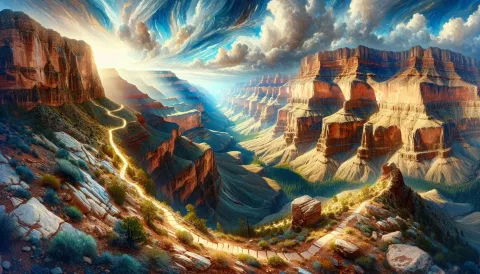 Bright Angel TrailFree4.9
Iconic South Rim hiking trail offering breathtaking views of Grand Canyon
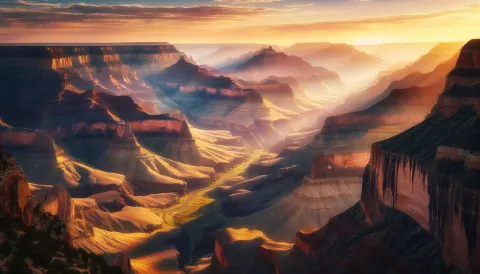 Hopi PointFree4.9
Experience breathtaking panoramic vistas and iconic sunsets at Hopi Point
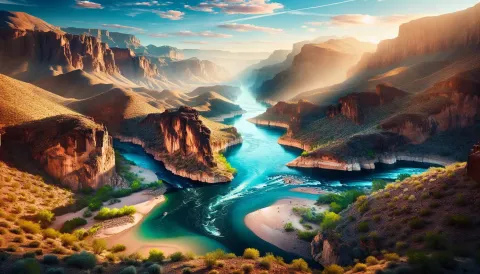 Little Colorado River GorgeFree4.9
Marvel at dramatic sheer canyon walls and local Navajo artisan crafts.
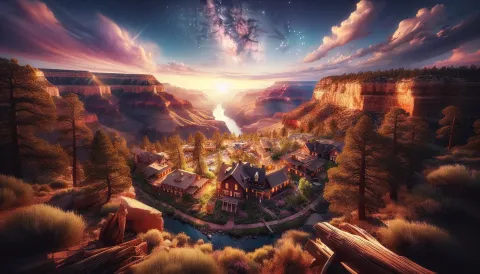 Mather PtFree4.9
Iconic Grand Canyon South Rim viewpoint offering breathtaking panoramic canyon vistas
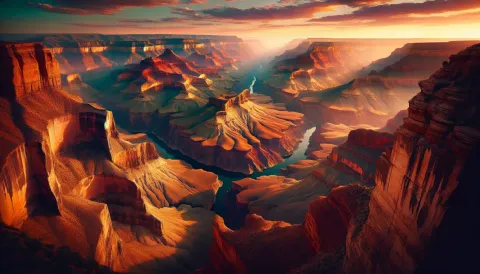 Yavapai PointFree4.9
A panoramic South Rim viewpoint offering sweeping Grand Canyon vistas
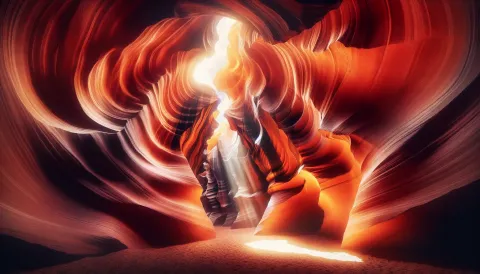 Antelope Canyon$$4.8
Explore Arizona's breathtaking Navajo slot canyon with dramatic sandstone walls.
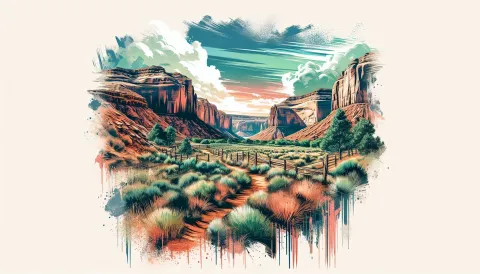 Canyon de ChellyFree4.8
Discover dramatic sandstone cliffs, ancient cliff dwellings, and rich Navajo heritage.
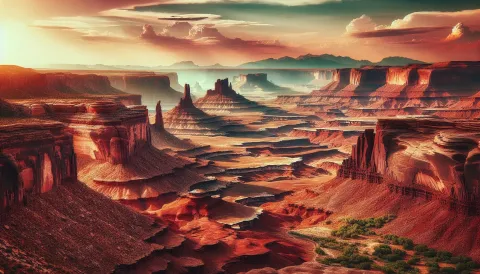 Canyonlands National ParkFree4.8
Discover dramatic desert canyons, soaring sandstone mesas, and rugged wilderness landscapes.
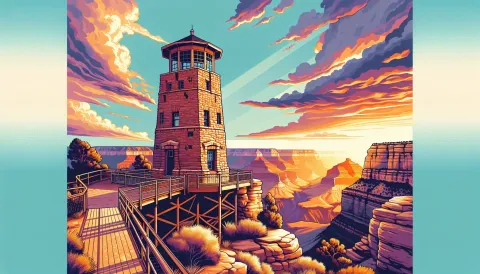 Desert View WatchtowerFree4.8
Iconic stone watchtower offering panoramic Grand Canyon views and Indigenous artwork
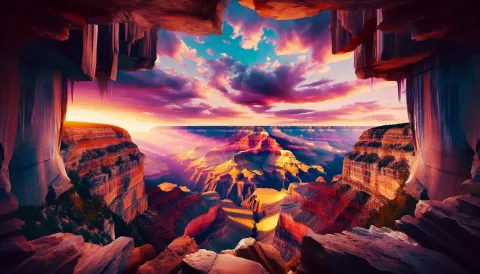 Grand Canyon National Park$$4.8
Experience stunning mile deep views, world class hiking, and dramatic scenery.
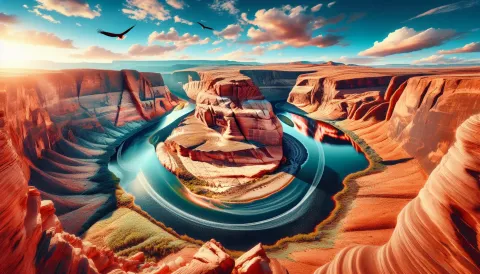 Horseshoe BendFree4.8
Witness an iconic horseshoe bend carved out by the Colorado River
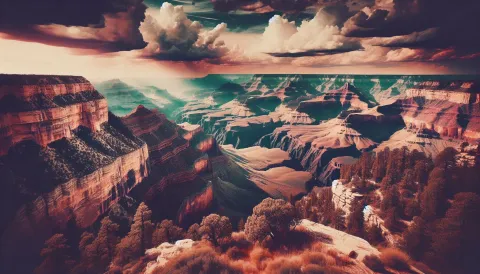 North Rim$$4.8
A serene and secluded alternative to the bustling South Rim
Where to eat
 Grand Canyon Village Market & Deli$4.3
Essential South Rim market for fresh groceries, deli meals, and gear
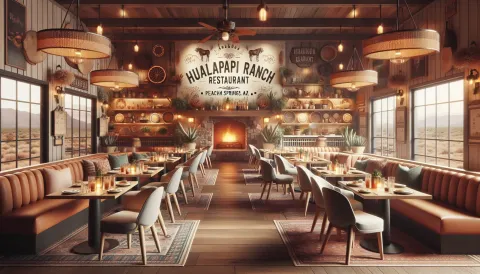 Hualapai Ranch Restaurant$$4.2
Casual Western dining with traditional Hualapai dishes at Grand Canyon West
 The Havasupai Tribal Cafe$$4.2
Fuel your Grand Canyon trek with fresh Indian tacos in Supai
 Desert View Market and Deli$4.1
Convenient stop near Desert View Watchtower for fresh sandwiches, snacks, and souvenirs.
 El Tovar Dining Room$$4.1
Historic fine dining experience on the Grand Canyon South Rim
 Plaza Bonita Restaurant at Red Feather Lodge$$4.0
Casual Mexican dining located just outside the Grand Canyon South Rim
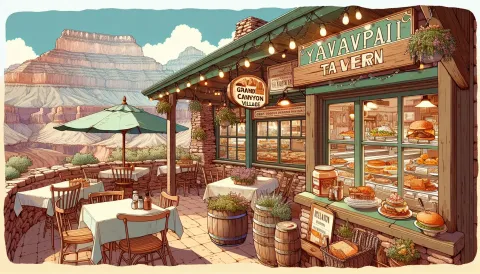 Yavapai Tavern$$4.0
Relaxed Grand Canyon tavern serving local craft beers and pub fare
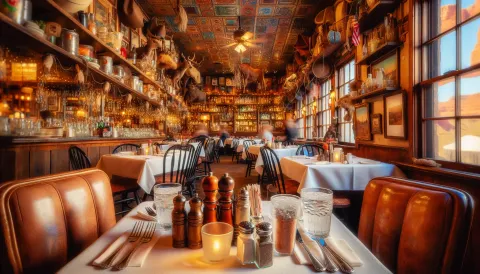 Big E Steakhouse & Saloon$$3.8
Enjoy classic steaks and ribs in a lively western saloon setting
Plan your Grand Canyon trip
About Grand Canyon
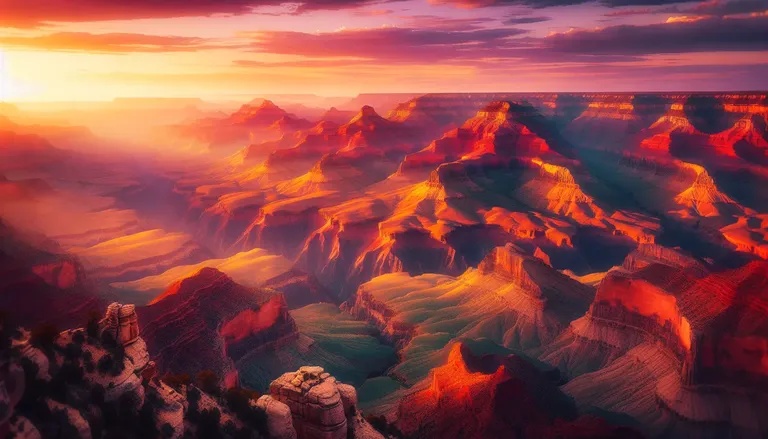
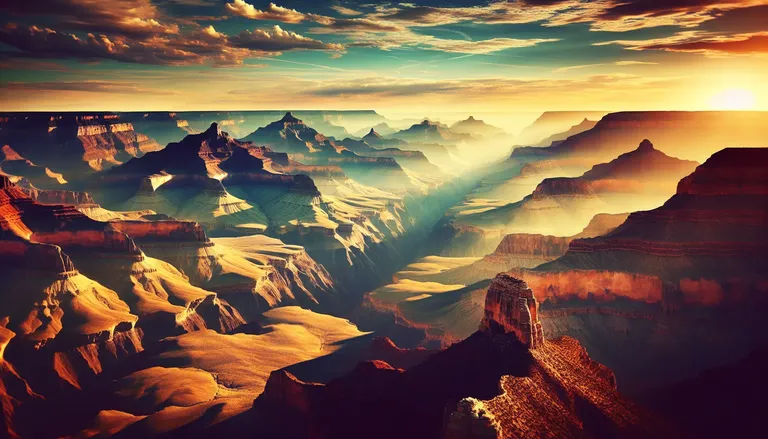
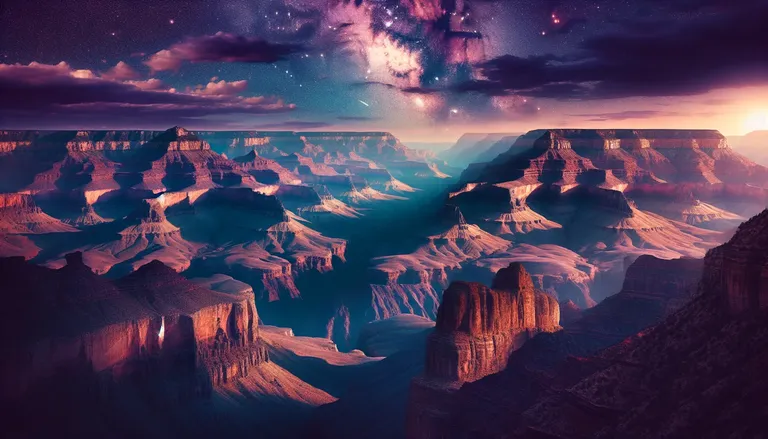
Stretching 277 miles across northern Arizona, the Grand Canyon delivers awe-inspiring scale and dramatic geology at every turn. Visitors can easily navigate popular South Rim vistas using free park shuttle buses, walk along the paved South Rim Trail, or descend into the canyon via routes like the South Kaibab Trail. Beyond rim viewpoints, the park offers helicopter tours, Colorado River rafting adventures, mule rides, and dark-sky stargazing.
History
The Grand Canyon was formed over millions of years by the Colorado River cutting through layers of rock. It has been inhabited by Native American tribes for thousands of years, notably the Havasupai, Hualapai, and Navajo. The canyon became a national park in 1919, attracting millions of visitors annually.
Frequently asked questions
When's the best time to visit Grand Canyon?
Spring (March to May) and Fall (September to November) are the best times to visit for mild weather and fewer crowds.
How do you get around Grand Canyon?
The best way to get around the Grand Canyon is by using the park's free shuttle buses, which operate on the South Rim. For those looking to explore more, bicycles can be rented, and there are designated trails for biking. Hiking is also a popular way to experience the canyon's beauty up close.
What's the weather like in Grand Canyon year-round?
The Grand Canyon experiences a range of weather conditions. Summers can be hot, with temperatures often exceeding 100°F (38°C) at the South Rim, while winters can be cold, with snow possible at higher elevations. Spring and fall offer mild temperatures and beautiful scenery.
How can you save money in Grand Canyon?
- Visit during the off-peak season for lower accommodation rates.
- Bring your own food and drinks to avoid high prices in the park.
- Consider camping for a more affordable accommodation option.
- Look for free ranger-led programs and activities.
- Purchase an annual national park pass if visiting multiple parks.
What should you know about safety in Grand Canyon?
- 911 for emergencies
- Grand Canyon Visitor Center: 928-638-7888
- Park Ranger Station: 928-638-7888
- South Rim Medical Clinic: 928-638-2631
- Flagstaff Medical Center: 928-779-3366
Local tips
- Visit during the shoulder seasons for fewer crowds.
- Take advantage of the free shuttle buses in the park.
- Bring plenty of water and snacks while hiking.
- Start your hikes early in the morning to avoid the heat.
- Consider a guided tour for a better understanding of the geology.
- Explore both the South and North Rims for different perspectives.
- Respect wildlife and maintain a safe distance.
- Check for park alerts and conditions before your visit.
- Use sunscreen and wear a hat for sun protection.
- Take time to enjoy the sunset at the canyon.
Interesting facts
- The Grand Canyon is 277 miles long and up to 18 miles wide.
- It's over a billion years old.
- The deepest point is about a mile (6,093 feet) deep.
- There are over 1,500 plant species found in the canyon.
- The Grand Canyon is home to many endangered species.
- It attracts around 6 million visitors each year.
- The Colorado River flows through the canyon.
- There are fossils dating back 2 billion years in some rocks.
- The canyon is a UNESCO World Heritage Site.
- More than 300 species of birds can be found here.
- The park covers over 1.2 million acres.
- Havasu Falls, located on the Havasupai reservation, is a popular oasis.
- The canyon's colors change dramatically at sunrise and sunset.
- There are numerous hiking trails ranging from easy to challenging.
- The Grand Canyon was first explored by Europeans in 1540.
Ready to plan your Grand Canyon trip?
Get a full day-by-day itinerary built from real, currently-open places — verified against Google Maps, ready in seconds.
You might also like
 Sedona
Framed by towering crimson sandstone formations and lush canyons, Sedona, Arizona, is a world-renowned destination famous for its breathtaking scenery and spiritual energy. Visitors flock to this high-desert oasis for world-class outdoor adventures, wellness retreats, and a vibrant local arts scene.
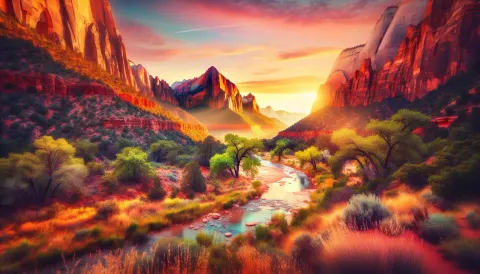 Zion National Park
Famous for its massive red sandstone cliffs, deep canyons, and iconic hikes like Angels Landing and The Narrows, Zion National Park offers unforgettable outdoor adventures in southwestern Utah. Visitors can easily explore the scenic canyon using the park's efficient shuttle system originating from the Zion Canyon Visitor Center.
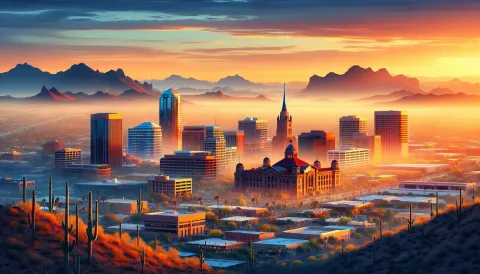 Phoenix
Basking in year-round sunshine, Phoenix combines stunning Sonoran Desert landscapes with a thriving urban culture. From scenic hikes at Camelback Mountain to world-class resorts and vibrant dining, Arizona's capital is a premier sun-drenched getaway.
 Las Vegas
Renowned as the world's premier entertainment capital, Las Vegas captivates travelers with its iconic Strip, ultra-luxury resorts, and futuristic marvels like Sphere. From fine dining and headliner residency shows to vibrant nightspots, it offers an exhilarating desert escape.